
How to Compare Supplement Labels Without Getting Misled
Learn how to read supplement labels, compare ingredients and serving sizes, assess testing claims, and spot language that may confuse shoppers.
Start With the Serving Size and Supplement Facts
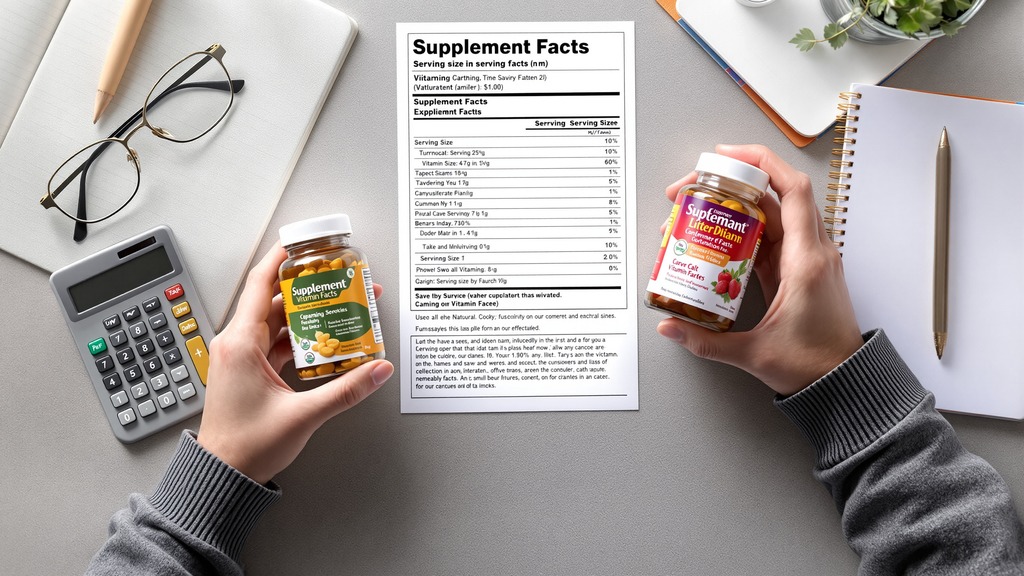
A supplement label can look impressive until you check how much a serving actually contains. Begin with the serving size and the number of servings per container. Two products may appear similar, but one may require four capsules while another requires one. Compare the amount of each active ingredient per serving—not simply the amount per bottle—and consider the cost of a complete daily routine.
Next, review the Supplement Facts panel from top to bottom. Look for the specific nutrient, its dose, and, when relevant, the percentage of Daily Value. The ingredient list may also identify capsules, sweeteners, colors, or other inactive ingredients. Be cautious with “high potency” or “maximum strength” language unless the actual amounts support the claim. More is not automatically better, and excessive intake can create vitamin safety concerns, especially when combining products. Check whether the label lists a tolerable upper limit or usage guidance, and ask a qualified healthcare professional about interactions, pregnancy, medical conditions, or medications.
Look Beyond Marketing Claims and Proprietary Blends
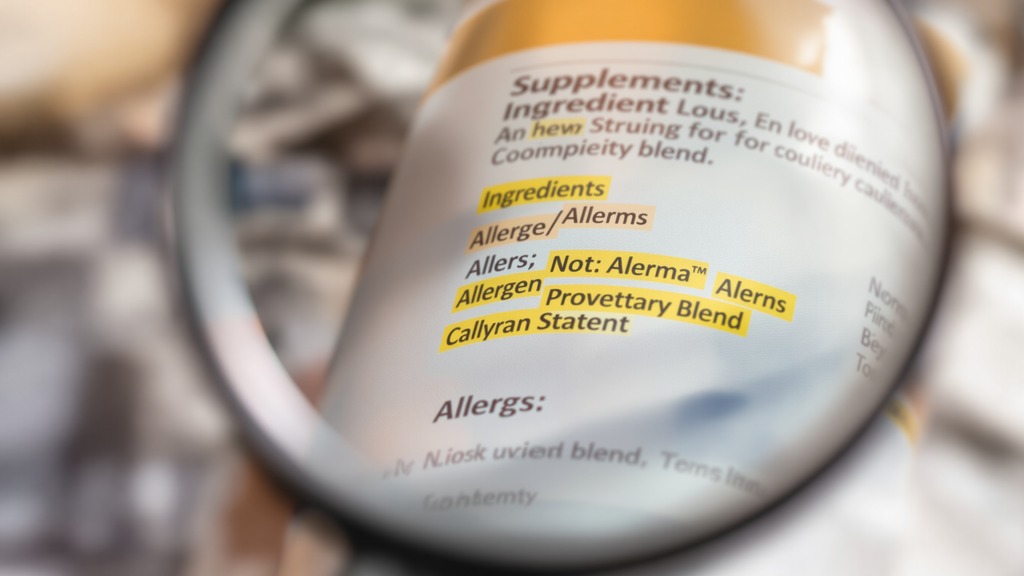
Once you understand the serving, examine the active ingredients more closely. Nutrients can appear in different chemical forms, and the form may affect usability, dietary fit, or how a product is tolerated. Labels should identify the form clearly when it is relevant—for example, a mineral compound, a specific vitamin form, or an extract with a stated standardization. Also check whether a listed amount refers to the whole compound or the elemental nutrient. If the label is vague, contact the manufacturer rather than guessing.
Use extra caution with proprietary blends. A blend may disclose its total weight while hiding the amount of each individual ingredient, making meaningful comparison difficult. Words such as “detox,” “clean,” “pharmaceutical grade,” or “clinically proven” can sound authoritative without explaining what was tested, in whom, or at what dose. Review allergen statements, dietary certifications, capsule materials, and added ingredients for your needs. Clear labels explain what is included and how much; confusing labels rely on bold promises while leaving key details difficult to find.
Evaluate Third-Party Testing and Make a Practical Choice
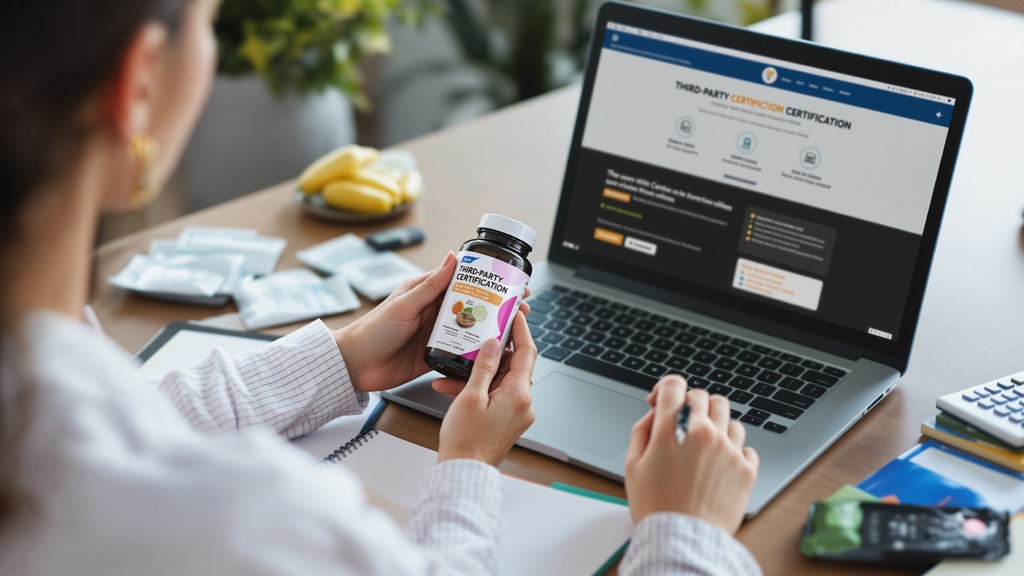
Third-party testing can add useful confidence, but it is not a guarantee that a supplement will work for everyone. Look for a recognizable certification seal and verify the certifier’s name, testing scope, and current status through the organization’s website. Some programs assess identity, purity, manufacturing practices, or banned substances; they may not prove that a product delivers a particular health outcome. If a brand mentions testing without naming the independent organization or explaining what was tested, treat the statement as incomplete.
Before buying, compare the full label, price per serving, expiration or lot information, storage instructions, and return or subscription terms. Choose products that make essential details easy to locate and avoid stacking several supplements with overlapping ingredients. Keep the package for reference, follow the stated directions, and discuss questions with a pharmacist, physician, or registered dietitian—particularly for children, pregnancy, chronic conditions, or prescription medicines. Good supplement labels support informed decisions; they do not replace personalized medical advice.